Skip to content
Client portal
CONTACT ES EN CA

Professional Services for Transport, Mobility and Logistics

We move with a sector where efficiency, investment and adaptability are the keys to success.

Moving people and goods requires coordinating infrastructure, assets, technology and operations in an environment under heavy pressure on costs and levels of service. The transformation of supply chains, digitisation, new forms of mobility and the transition to more efficient models are also redefining the priorities of companies and investors.

Afianza accompanies transport, mobility and logistics companies in this context, combining financial, legal, fiscal and strategic capabilities. From a corporate operation to financing new investments or improving performance, we help analyze their implications and turn them into business decisions.

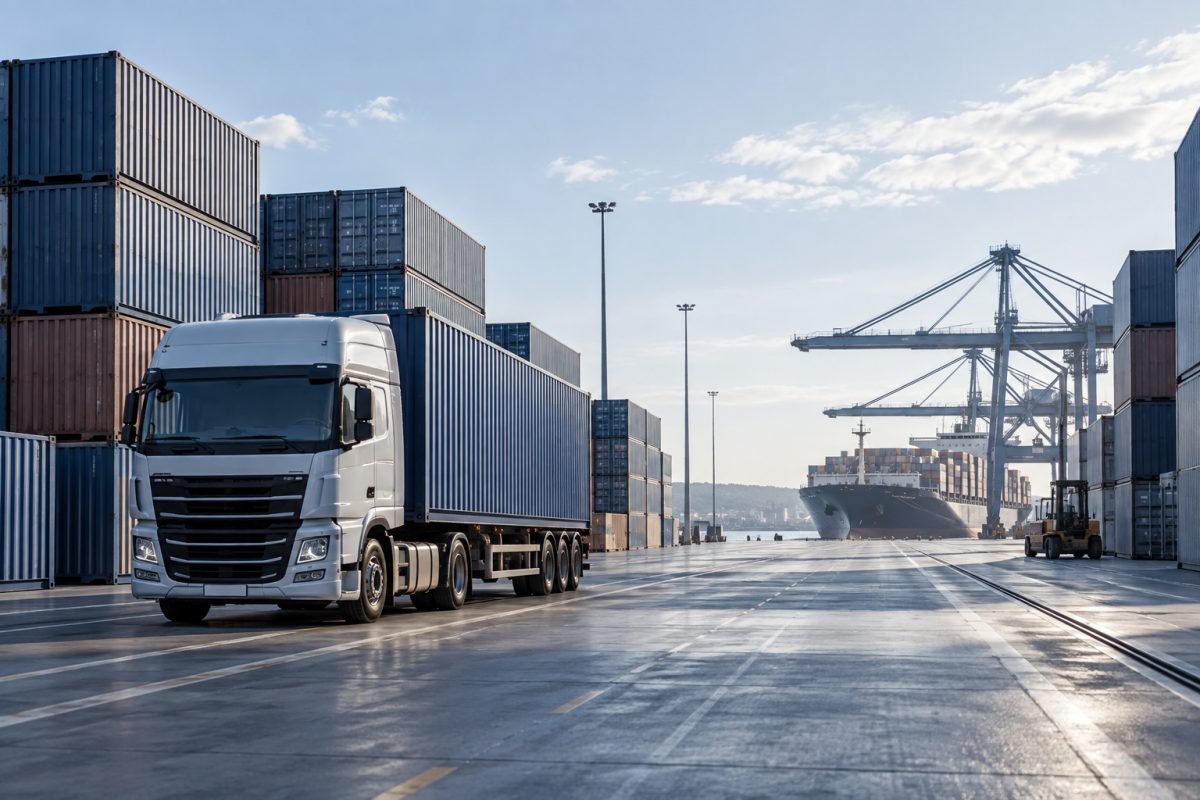
We work with the different actors in the sector

Our main services for the logistics sector

M&A

Consolidation, entry into new markets or incorporation of capacities can boost acquisition and sales operations in the sector. Afianza accompanies M&A processes from initial analysis and valuation to structuring, negotiation and execution.

View service

Restructuring

The pressure on costs, changes in demand or difficulties of certain routes, centers or business units can compromise the financial position of a company. Afianza accompanies restructuring processes, evaluating alternatives to recover stability, preserve value and strengthen the sustainability of the business.

View service

Digital Transformation & AI

The technology allows to improve planning, automate processes and make more efficient use of the information generated by operations. Afianza accompanies organizations in digital transformation projects and adoption of AI, identifying cases of use applicable to management, control and decision-making.

View service

CFO as a Service

Businesses with high volumes of operations, assets and variable costs need financial information capable of accurately reflecting what is happening in each area. Afianza strengthens the financial function through external CFO services, supporting planning, reporting and management control.

View service

Tax law

The operation between territories, the acquisition and exploitation of assets and the diversity of business structures can generate specific tax issues. Afianza provides advice in both ordinary activity and expansion, reorganization and corporate operations processes.

View service

Corporate and civil law

Contracts, relationships with suppliers and customers, acquisition and exploitation of assets or commercial agreements are part of an operation with multiple legal implications. Afianza provides commercial and civil advice to companies in the sector both in their usual activity and in growth and transformation projects.

View service

A team that moves in all directions

The more than 1,200 Afianza experts combine sectoral specialization with financial, legal, fiscal and strategic capabilities. We work with management teams and investors to analyze how decisions on operations, assets, finance and growth affect the profitability, risk and future evolution of each company.

Frequently asked questions about the sector

The response depends on the operating model, but often requires a joint analysis of revenues, costs, asset use, productivity, routes, operating centers and profitability by client or activity. Having sufficiently detailed information allows identifying where deviations are generated and concentrating improvement measures in areas with the greatest impact.

In addition to the financial and legal situation, it is particularly important to understand the quality of revenues, customer concentration, cost structure, fleet and other assets, investment needs and the efficiency of operations. The joint analysis of these elements allows us to identify risks and better understand the main value levers before the operation is carried out.

Digitization and artificial intelligence can bring improvements in areas such as operations planning, route optimization, fleet management, demand forecasting, administrative automation or information analysis. The concrete opportunity depends on existing processes and systems, so it is necessary to prioritize use cases in terms of their potential impact and feasibility.